 Holstein Kiel Hub
Holstein Kiel's recent matches in the 2. Bundesliga have produced a mixed bag of results, showcasing both strengths and weaknesses. In a league where every point matters, it is crucial to continuously review and adjust tactical approaches. This analysis aims to highlight some recent form and potential strategic tweaks that could assist the Störche in realizing their promotion ambitions.
Current Tactics and Form
In recent games, Holstein Kiel has frequently deployed a 4-2-3-1 formation. This setup provides both defensive stability and offensive flexibility, but requires precise coordination among players. The two holding midfielders are tasked with controlling the game and securing the defense while also initiating attacks. However, in some matches, the backline has proven vulnerable to quick counter-attacks, particularly when the full-backs push too high up the pitch.
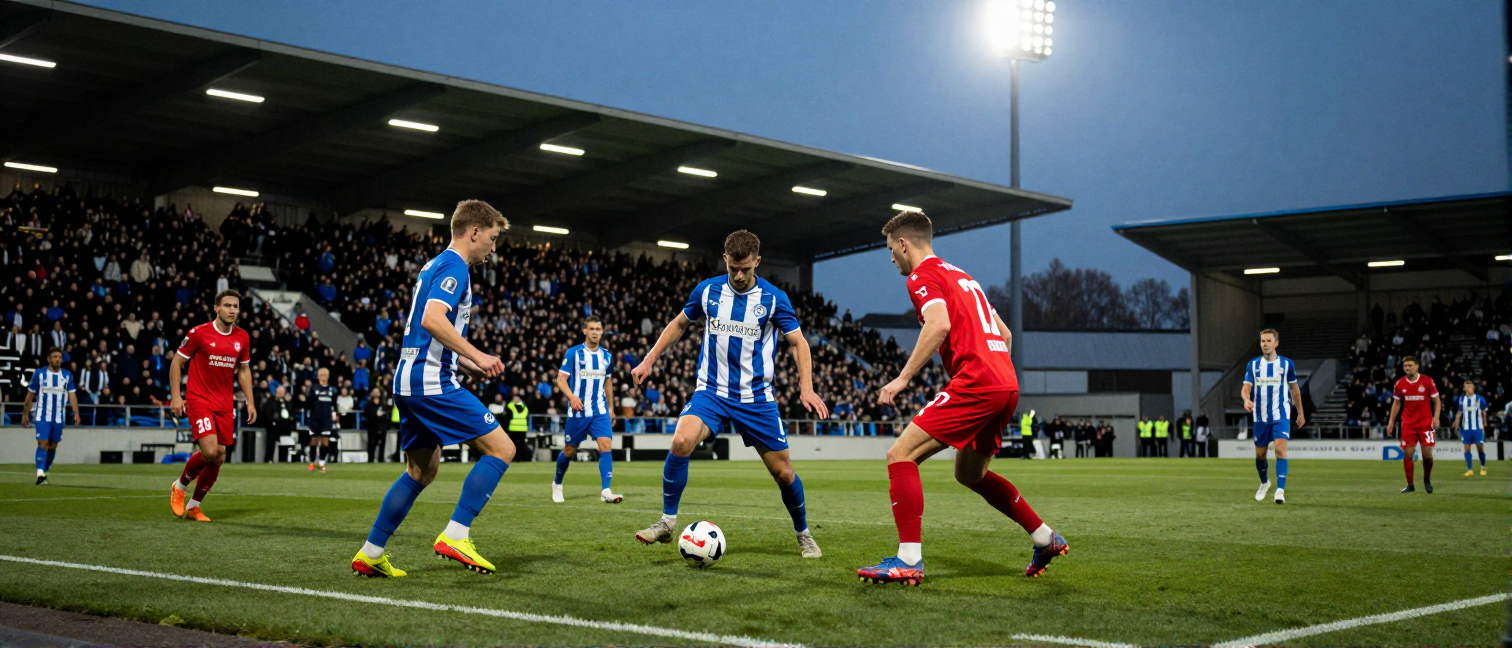
An example of this was the recent match against a direct rival, where the team struggled to quickly transition to defense after losing possession. This led to several dangerous situations exploited by the opponent's quick wingers. Here, an adjustment in the tactical behavior of the full-backs may be necessary to ensure a more stable base.
Suggestions for Tactical Adjustments
1. Defensive Transition: One of the most urgent adjustments could be a change in the team's transition game. Players should be specifically trained to quickly return to defensive formation upon losing possession to prevent counter-attacks. A clear focus on positional play and communication among players can be crucial here.
2. Creating Central Overload: Another strategic approach could involve creating an overload in central midfield. By incorporating a third central midfielder, Kiel could gain more control in build-up play while also increasing opportunities for quick combinations. This adjustment could also help relieve pressure on the defense and reduce strain on the backline.
3. Flexibility of Wide Positions: Wingers could also be encouraged to drift into central positions in certain game situations to create more overload in midfield. This would not only challenge the opponent's defense but also open up space for full-backs to advance down the flanks, delivering crosses or creating space for strikers.
Conclusion
The Störche have the potential to compete for promotion this season, but they need to optimize some tactical nuances. The proposed adjustments could help increase defensive stability and promote offensive creativity. Continuous analysis of matches will be essential to find the right balance and leverage the team's strengths.
With these adjustments, Holstein Kiel could not only improve their form but also set the course for a successful second half of the season.